
V1 readiness
3 of 11 items pass
Still open: both co-editor seats filled (fully staffed), coordinator in place, integrated changes published as a numbered ml-draft revision, chapter checked against neighbouring dps for terms, overlaps and conflicts, every must and should is testable or rephrased as guidance, all contributors acknowledged, no release blockers open from the readiness review, v1 candidate revision published before the freeze
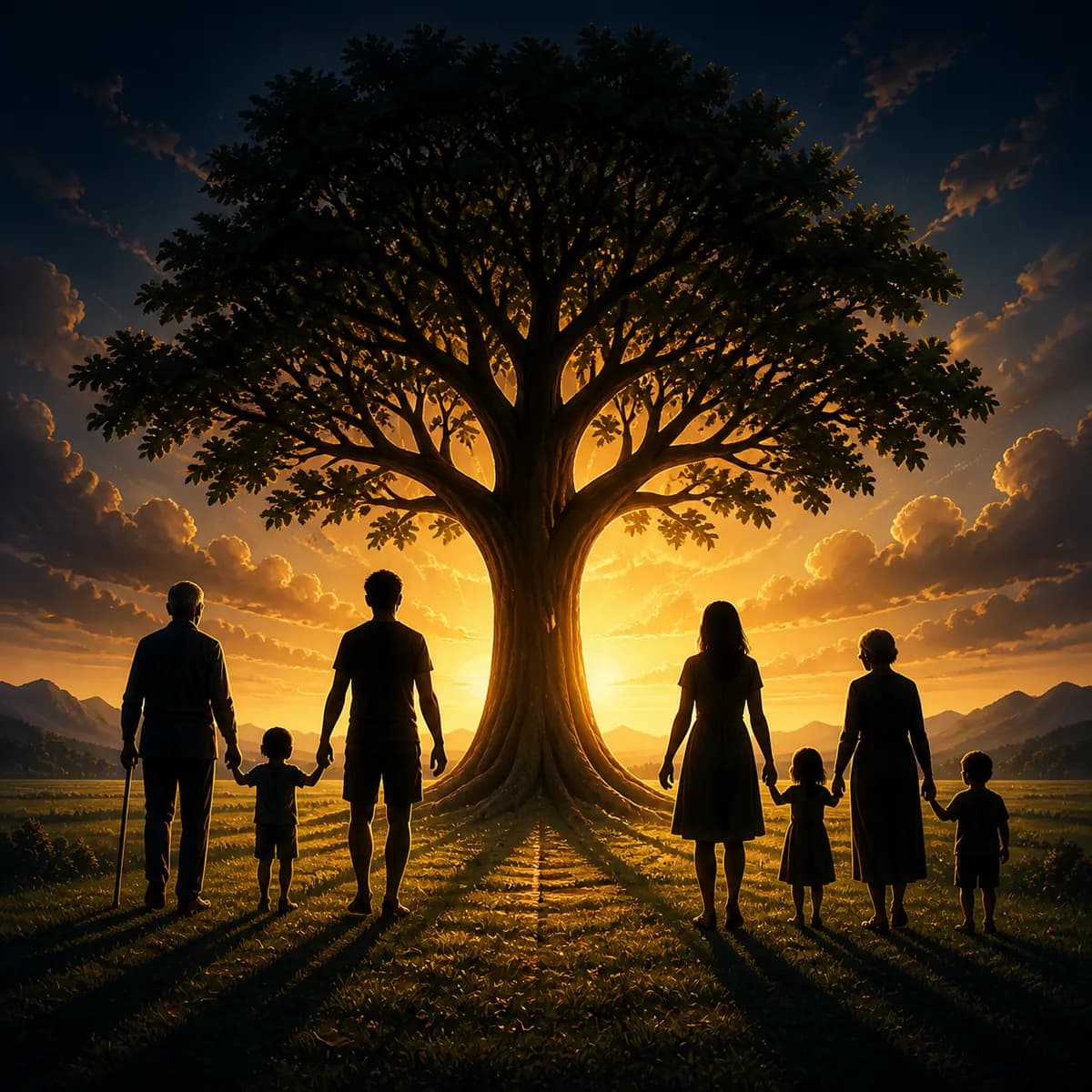
Community Ownership
Who should own the next layer of the Internet?
Platforms own everything users create
If we build it together, we should own it together.
Communities generate content, culture, and care. Ownership on the Meta-Layer asks who controls the rails, the archives, and the upside.
Why this matters
Users create a marketplace of knowledge inside a platform. The company changes terms, licenses the corpus to AI trainers, and the community has no stake and no exit with dignity.
- Extractive terms
- No residual rights
- Privatization of commons
- Exit without continuity
Today's challenges
- Platform IP capture
- Unclear stewardship
- Commons without legal form
- Concentration of ownership
Why today's Web struggles
Legal and product defaults assign ownership to the operator of the database. Collective creation rarely maps to collective control.
Value extraction
Imagine instead
Communities hold meaningful stakes in infrastructure and knowledge, with portable exports and shared governance of commons.
- Collective stewardship models
- Knowledge that communities can keep
- Infrastructure treated as shared asset
Shared ownership of infrastructure and knowledge
Why this matters to everyone
- Communities
Retain control of what they build.
- Creators
Share upside without surrendering the corpus.
- Cooperatives
Extend co-op ownership into digital rails.
- Policymakers
Support ownership forms beyond platform monopoly.
Meta-Layer capabilities
- Community Governance
- Data Sovereignty
- Meta-Communities
- Civic Memory
- Micropayments
Real-world examples
- Knowledge bases
Community-owned corpora.
- Social platforms
Member ownership of the graph.
- Data trusts
Shared stewardship of sensitive sets.
- Local media
Community-owned distribution rails.
Join the challenge
Choose how you'd like to contribute.