
V1 readiness
4 of 11 items pass
Still open: both co-editor seats filled (fully staffed), integrated changes published as a numbered ml-draft revision, chapter checked against neighbouring dps for terms, overlaps and conflicts, every must and should is testable or rephrased as guidance, all contributors acknowledged, no release blockers open from the readiness review, v1 candidate revision published before the freeze
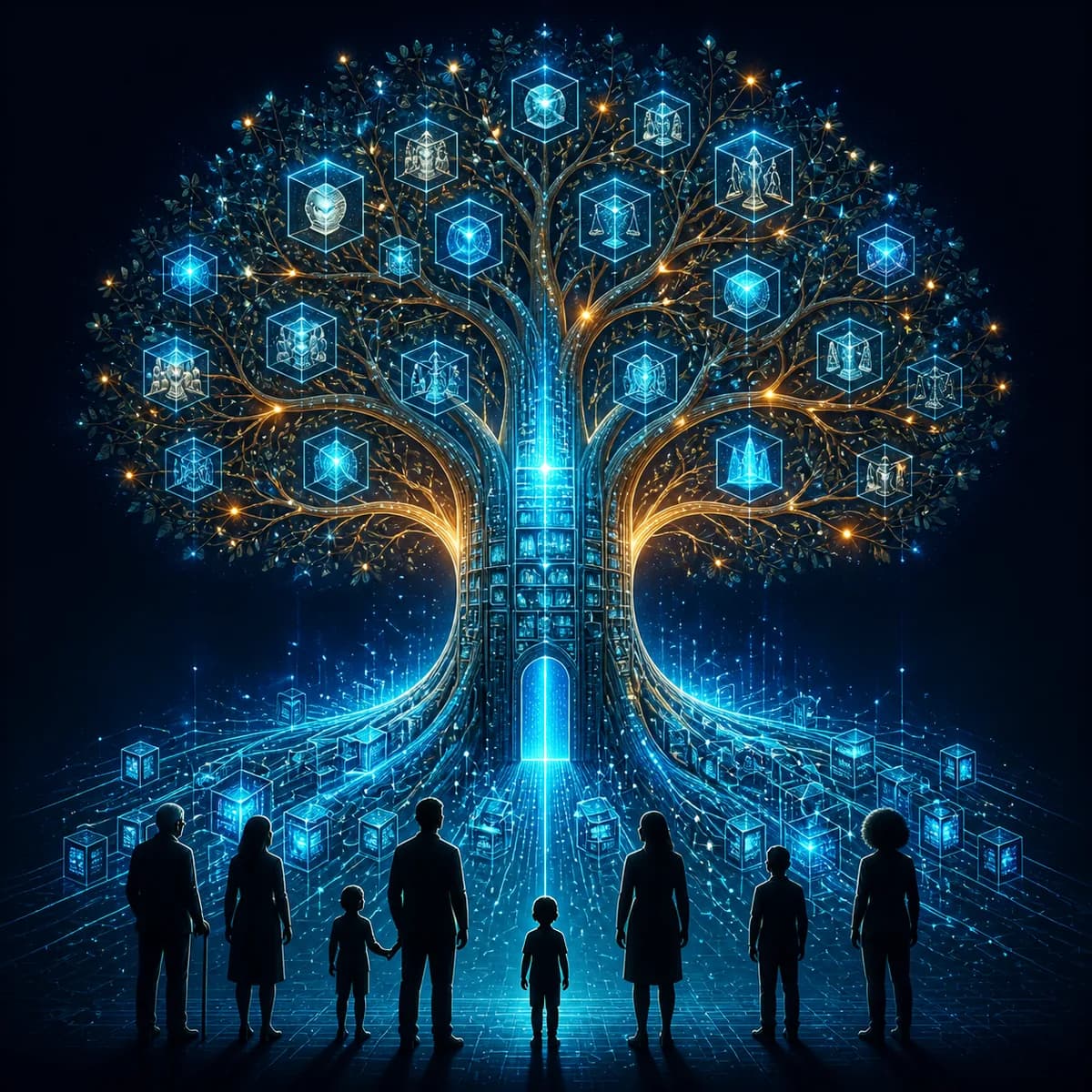
Civic Memory & Epistemic Continuity
How do we preserve collective understanding without creating centralized truth?
Society keeps repeating the same debates
Memory is how a free society learns.
Without shared civic memory, every controversy restarts from zero. Continuity means retaining context, dissent, and evolution without crowning a single official truth.
Why this matters
A policy debate rages as if no prior evidence existed. Archives are scattered, links rot, and newcomers inherit heat without history.
- Context loss
- Link rot
- Erasure of minority records
- Centralized truth ministries as false fix
Today's challenges
- Ephemeral platforms
- Unindexed deliberations
- Broken citations
- No living map of how understanding changed
Why today's Web struggles
The web is excellent at publishing and poor at remembering with structure. Attention markets prefer novelty over continuity.
Knowledge loses context over time
Imagine instead
Communities maintain traceable memory of claims, evidence, and revisions: plural, contestable, and durable.
- Evolving understanding with provenance
- Civic archives communities can query
- Continuity without a monopoly on truth
Traceable civic memory and evolving understanding
Why this matters to everyone
- Historians
Preserve plural records with integrity.
- Journalists
Ground reporting in durable context.
- Educators
Teach how understanding changes over time.
- Citizens
Enter debates with inherited context, not amnesia.
- Policymakers
See prior evidence before resetting policy theater.
Meta-Layer capabilities
- Civic Memory
- Provenance
- Trust Signals
- Context Overlays
- Meta-Communities
Real-world examples
- Public policy
Living records of proposals and outcomes.
- Science
Claim evolution with citations intact.
- Local government
Meeting memory citizens can traverse.
- Journalism
Storylines that retain corrections and context.
Join the challenge
Choose how you'd like to contribute.